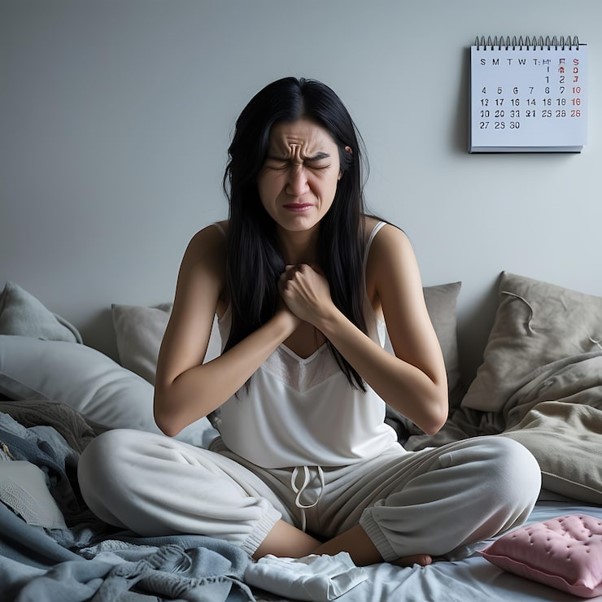

Introduction Perimenopause refers to a normal transition occurring before the actual onset of menopause, and can happen years before the actual cessation of menstruation. Here hormone levels will be all over the place which can result in a number of physical and psychological changes occurring in the body. The experience of perimenopause symptoms is unique …


Introduction
Perimenopause refers to a normal transition occurring before the actual onset of menopause, and can happen years before the actual cessation of menstruation. Here hormone levels will be all over the place which can result in a number of physical and psychological changes occurring in the body. The experience of perimenopause symptoms is unique to every woman but for most women their symptoms can impact their whole life from their everyday routine and energy levels to their overall health and sleep quality.
Knowing about the signs of perimenopause and seeking professional support can facilitate the transition. At Delaware Perimenopause Treatment, hormone treatment is available and a plan is tailor made to support and alleviate perimenopause symptoms. Whether you are only starting to experience the first signs or a Perimenopause Expert Near Me can be found that can guide and direct you about the treatments available.
What isPerimenopause?
Perimenopause refers to the time span leading up to menopause, which involves hormonal changes in the body including declining estrogen levels and a decline in progesterone. The stage of life is an estimated period of 7.3 years for women in their 40’s but is possible to occur earlier for other women.
Your hormone levels can vary greatly during perimenopause. These can affect different parts of the body leading to noticeable physical and emotional effects.
Common symptoms of perimenopauseinclude:
Perimenopause symptoms are different for everyone. There are women that have slight changes and some women that are able to feel more drastic changes in their daily routine.
Symptomsinclude:
Irregular Menstrual Cycles
Loss of the length, flow, or frequency of one’s periods is one of the earliest symptoms of perimenopause.
Hot flushes and night sweats
Fluctuations in hormones may lead to changes in the body’s temperature, leading to sudden episodes of heat and sweating.
Sleep Disturbances
Women are commonly suffering from troubles initiating or maintaining sleep, or feeling fatigued from sleep.
Mood Changes
The hormonal changes can lead to irritability, mood changes, or frustration.Getting tired and feeling weak.
As hormone levels drop, it can sometimes be more difficult to make energy, leading to a decrease in energy for daily activities.
Weight Changes
During perimenopause, some women feel a change in their metabolism or that they can’t keep their weight at the same level.
Why HormoneChanges Matter
In addition to all of the major functions your body uses hormones for (like regulating sleep and energy, as well as the way you process food and just generally feel), hormone levels are different at perimenopause and this change can cause many things that have an impact on life quality.
Many women may not realize that the hormones are affecting their mood and feelings, as these changes are happening slowly. By getting professional advice, the causes of symptoms can be found and the best treatment may be suggested.
PerimenopauseTreatment Options

At Modern Perimenopause Treatment in Delaware, women receive personalized care.
Hormone Support
Hormone therapy is also used to balance hormones and the symptoms of hormone imbalance. The therapy is often individualized.
Lifestyle Modifications
An integral factor to reducing your symptoms of perimenopause is taking active steps to increase your lifestyle in a healthy manner.
Recommendations may include:
- Well-nourished diet
- Active lifestyle
- Stress management
- Improved sleep habits
- Ways to help with hydration and wellness.
Ongoing Health Monitoring
It is vital that you attend your regular check-ups, since these allow your healthcare provider to track your improvement, and to adjust any medication accordingly.
The Importance of PersonalizedPerimenopause Care
Each woman’s perimenopause is different. That is why personalized Perimenopause Care Delaware is becoming more and more in demand.
Individualised care can involve:
- Comprehensive health evaluations
- Hormone assessments
- Symptom reviews
- Wellness planning
- Long-term health support
Using these adapted practices, services can address their specific challenges and support women to manage their transition more smoothly and with greater reassurance.
When should you consulta healthcare professional?
A number of women are uncertain about their symptoms: Are they a normal part of aging, or is this something that a doctor’s input is required?
These symptoms are ones you might discuss with a provider:
- Persistent fatigue
- Frequent sleep disturbances
- Marked alterations in mood
- Erratic menstrual cycles
- Hot flashes, i.e. Night sweats.
- Weight fluctuations can be challenging to control.
Finding a Perimenopause Expert Near Me will be helpful for you to find the expert care that can help you discover the source of your symptoms and develop a successful treatment strategy.
Benefits ofProfessional Hormone Support
There are a number of benefits to seeking professional care in the perimenopause transition.
Improved Symptom Management
There are strategies for managing common symptoms that can minimize their effects on the individual’s life.
Improved Quality of Life
The management of these symptoms will promote women’s comfort, general well-being and lifestyle.
Wellness Plans
Individualized suggestions make sure the therapy is tailored to their particular requirements and objectives.
Long-Term Health Support
Consistent monitoring promotes wellness in the woman through and after this change.
Natural Approachesto Perimenopause
Though seeking professional help is crucial, it is worth mentioning a few habits which help promote wellness during the changes:
Stay Active
Movement helps keep energy levels and metabolism and health up.
Establish Sleep Habits
Having consistent sleep habits can aid recovery and sleep.
Reduce stress
The above listed relaxation techniques may help with this: (yoga, meditation, deep breathing)
Ensure a Well-Rounded Nutrition Diet
Having a good diet supports normal function of hormones. It will promote women’s health.
Schedule Routine Checkups
Regular checkups are the way to provide guidance and follow-up.
Conclusion
Although a normal part of life, this hormonal discomfort may influence how well you feel. The key to navigating perimenopause more smoothly is to know how it presents and have the knowledge and support of health professionals.
For women with their own symptoms and health and wellness needs, Personalized Perimenopause Care Delaware is available. Comprehensive Perimenopause Treatment Delaware usually includes support with hormones, lifestyle advice, and follow up appointments that help to optimize your wellbeing. You may wish to see a Perimenopause Specialist Near Me for assistance in determining the options available to help you make well-being plans in the years to come.
FAQs
Q1. What is perimenopause?
The time in life before menopause when hormones begin to change and you may also notice changes in your periods.
Q2. What are the common symptoms associated with perimenopause?
The symptoms are irregular periods, hot flushes, night sweats, difficulties sleeping, tiredness, mood swings, weight changes.
Q3. What types of treatment are considered “Perimenopause Treatment in Delaware”?
Treatment can involve hormones, symptom management, lifestyle modifications, and monitoring of health.
Q4. Why is personalized Perimenopause Care Delaware important?
Perimenopause occurs in various ways for each woman. Individual treatment plans may be offered based on symptom and health objectives with personalized care.
Q5. How do I find a Perimenopause Expert Near Me?
If you are having difficulties in the quality of your life/sleep/energy or just general well-being because of your symptoms then you need to consult with the correct service provider to discuss the treatment available.