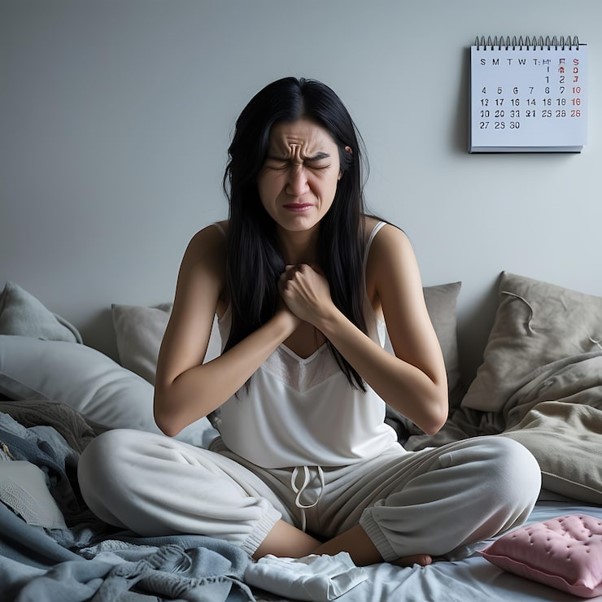

Introduction The hormones have many vital roles within the body, such as metabolism, emotional well-being, sleep patterns, energy, fertility, and menstrual cycle health. If the hormones get imbalanced through being too high or too low, it may affect a person physically and emotionally. By knowing the causes of hormonal imbalance, women can better understand how …


Introduction
The hormones have many vital roles within the body, such as metabolism, emotional well-being, sleep patterns, energy, fertility, and menstrual cycle health. If the hormones get imbalanced through being too high or too low, it may affect a person physically and emotionally. By knowing the causes of hormonal imbalance, women can better understand how to maintain good women’s hormone health.
Many females suffer from hormonal imbalances at different phases of their lives. Although sometimes such imbalances are normal, at other times they could be due to something else. There are various reasons why women might suffer from such problems, including but not limited to stress, poor nutrition, diseases, and unhealthy lifestyle choices.
What is Hormonal Imbalance?
Hormones are chemical messengers produced by the endocrine glands. They travel in the bloodstream to regulate various bodily functions such as growth, reproduction, metabolism, and mood.
A female hormonal imbalance is an instance whereby the body produces an excessive amount or a reduced amount of hormones such as estrogen, progesterone, thyroid hormone, insulin, and cortisol.
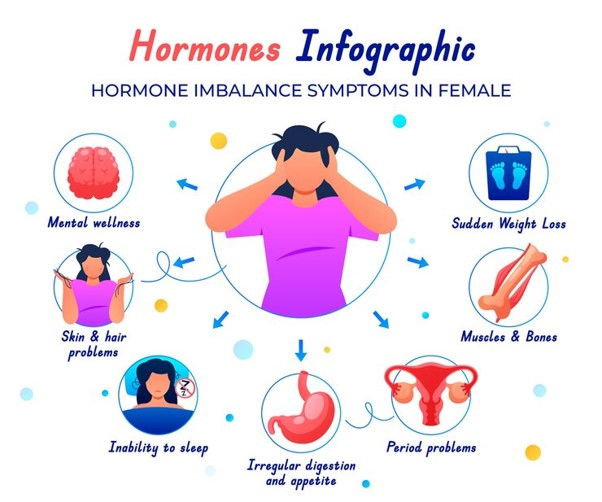
Common Signs of Hormonal Imbalance
Symptoms differ between women and usually include:
- Irregular period cycles
- Tiredness
- Changes in mood
- Weight gain or trouble losing weight
- Trouble sleeping
- Acne
- Loss or growth of hair
- Low sex drive
If symptoms persist, an assessment is required to determine the causes of hormonal imbalance.
7 Common Reasons for Hormonal Imbalance in Women
1. Chronic Stress
Chronic stress leads to higher cortisol levels. Elevated cortisol levels may affect estrogen and progesterone, leading to menstrual cycle irregularities, exhaustion, insomnia, and emotional disturbances. Reducing stress through physical activity, relaxation, and a proper daily routine helps improve women’s hormone health.
2. Poor Diet and Nutritional Deficiencies
Eating a lot of processed food, sugar, and bad fat could lead to hormonal imbalance. Lack of some essential components like proteins, healthy fats, vitamins, and minerals could also lead to hormone imbalance. The body needs balanced meals that include fruits, vegetables, proteins, whole grains, and good fats.
3. Thyroid Disorders
The thyroid regulates metabolism and energy production. Hyperthyroidism and hypothyroidism may cause Female Hormonal Imbalance.
Symptoms include:
- Fatigue
- Changes in weight
- Hair loss
- Dry skin
- Mood swings
- Irregular periods
Therapy for thyroid problems helps to restore hormonal balance.
4. Polycystic Ovary Syndrome (PCOS)
One of the main causes of Hormonal Imbalance in women of reproductive age is PCOS. This condition disrupts ovulation and hormonal balance.
Symptoms of PCOS include:
- Menstrual irregularity
- Pimples
- Hairiness of the face and body
- Weight Gain
- Infertility
Early detection and adequate management of lifestyle can aid in controlling these symptoms.
5. Menopause and Perimenopause
The body experiences reduced hormone levels during perimenopause and menopause. Reduced levels of estrogen and progesterone can lead to:
- Hot flashes
- Night sweats
- Mood fluctuations
- Insomnia
- Vaginal dryness
Knowing this information will help women handle these issues and ensure Women’s Hormone Health.
6. Poor Sleep
Sleep is necessary for good hormonal functioning. Insufficient sleep might impact hormones that influence your hunger, stress levels, moods, blood sugar levels, and reproductive well-being.
Adopting a regular sleep routine and developing healthy sleep habits can help maintain hormone balance.
7. Medical Conditions and Certain Medications
Various health issues, such as diabetes, autoimmune diseases, adrenal disease, and pituitary disease, can be considered contributing factors to hormonal imbalance in Women.
Certain drugs, like hormonal contraceptives and steroids, have an impact on hormones. If the condition persists, a healthcare practitioner should be contacted.
Supporting Better Hormone Health
Good lifestyle practices may assist in bringing hormonal imbalance back to normal.
Some steps that may be taken to maintain good hormones are:
- Balanced diet
- Regular exercise
- Stress management
- Adequate rest
- Weight maintenance
- Proper hydration
- Regular medical checkups
These practices can make all the difference in the long run.
When Should You Seek Medical Advice?
Fluctuating hormones can happen from time to time; however, certain signs shouldn’t be overlooked.
Consult a medical expert if you have:
- Irregular or skipped periods
- Extreme tiredness
- Unexpected weight loss or gain
- Persistent moodiness
- Reproductive issues
- Problems sleeping
- Symptoms that interfere with your life
Timely consultations will help determine the causes of hormonal imbalance.
Conclusion
Hormones play an important role in many aspects of a woman’s well-being. The most prevalent reasons for female hormone imbalance include stress, malnutrition, thyroid problems, PCOS, menopause, insomnia, and some other diseases. Knowledge about such reasons will help women recognize this problem and make appropriate lifestyle changes at an early stage.
Healthy lifestyle choices and visiting a doctor when necessary can help women cope effectively with hormonal imbalance in women and promote good health. Regain Total Health, DBA as Total Life Care LLC works hard to assist women in their efforts to have balanced hormones and good health.
FAQs
Q1. What are the most common causes of hormonal imbalance in women?
These can be stress, improper nutrition, thyroid gland diseases, PCOS, menopause, sleep issues, and other medical problems or medication use.
Q2. What are the symptoms of hormonal imbalance?
Signs of hormonal imbalance can be abnormal menstrual cycles, fatigue, mood swings, acne, weight gain or loss, insomnia, and hair thinning.
Q3. Can lifestyle changes improve hormone health?
Yes. Proper nutrition, exercise, stress management, and adequate rest may contribute to maintaining healthy hormones.
Q4. Is hormonal imbalance normal during menopause?
Yes. Hormones naturally fluctuate during perimenopause and menopause, but it is important to investigate intense symptoms.
Q5. When should I see a doctor?
When experiencing hormonal symptoms, it is better to seek medical advice if the problem persists or becomes worse.