
Introduction The hormones regulate a large number of functions in the body, such as metabolism, moods, sleep, reproduction, and energy levels. The slightest change in the levels of hormones will influence how the woman feels both physically and emotionally. Changes are usually normal; however, if they are prolonged, there might be a problem. Many women …

Introduction
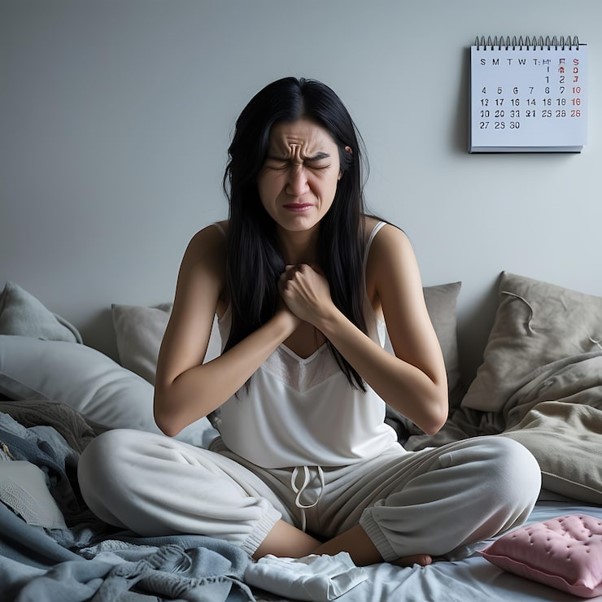
The hormones regulate a large number of functions in the body, such as metabolism, moods, sleep, reproduction, and energy levels. The slightest change in the levels of hormones will influence how the woman feels both physically and emotionally. Changes are usually normal; however, if they are prolonged, there might be a problem.
Many women often overlook subtle signs, believing that they arise due to stress, age, or lifestyle. Yet being aware of possible early signs can save people from future health complications and improve their well-being. Knowing about hormone imbalance symptoms will help women understand when it is necessary to get help.
The guide covers information on early signs of hormonal imbalance, their reasons, and the impact of hormonal changes in women.
What is Hormonal Imbalance?
They are chemicals that are made by glands in the endocrine system of the body. They control many processes within the body, ranging from menstrual periods and fertility to metabolism and emotions. However, an increase or decrease in their levels leads to an imbalance within the body.
Hormonal imbalance in women may result from changes brought about by puberty, pregnancy, menopause, and other diseases like hyperthyroidism, PCOS, and chronic stress. Early detection of symptoms will enable the right tests and treatment procedures to be carried out on time.
10 Early Signs of Hormonal Imbalance
1. Irregular Menstrual Cycles
The most common signs include any alteration in the menstrual pattern. Menstruation might become heavy, light, long, short, early, or late.
You might observe:
- Missing periods
- Heavy bleeding
- Bleeding in between cycles
- Severe pain during menstruation
All menstrual problems should be discussed with a medical practitioner.
2. Constant Fatigue
It is normal to feel tired after an exhausting day, but fatigue despite having enough sleep can be linked to hormone imbalances.
Fatigue can be due to:
- Imbalance in thyroid hormones
- Low estrogen hormone levels
- Imbalance in adrenal hormones
- Fluctuating blood sugar levels
When fatigue becomes a regular feature, it could be one of the first hormone imbalance symptoms.
3. Unexplained Weight Changes
Sudden weight gain and inability to lose weight despite proper diet and exercise can indicate hormonal imbalances.
Hormonal imbalance may lead to:
- Abdominal fat accumulation
- Reduced metabolic rate
- Water retention
- Increased hunger
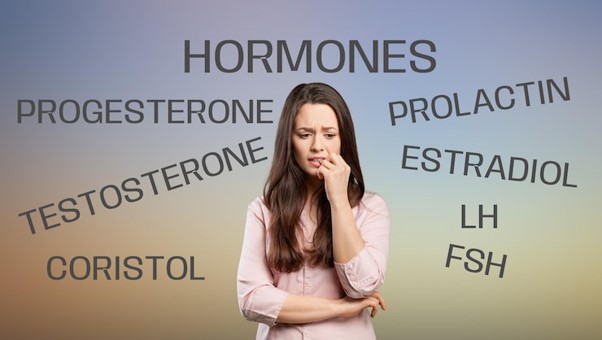
This is because hormones regulate metabolic activity; hence, even slight imbalances will affect weight.
4. Mood Swings and Anxiety
The hormones influence the chemical balance of the brain. Alteration in the levels of estrogen, progesterone, or thyroid hormone might cause emotional disturbances.
Typical symptoms may involve:
- Irritability
- Anxiety
- Depression
- Mood changes
- Stress management issues
The symptoms mentioned above usually accompany other symptoms as well.
5. Sleep Problems
Lack of good sleep is also a major early sign of Hormone Imbalance. Women have trouble sleeping, wake up frequently during the night, or don’t feel well-rested in the morning.
The hormones that impact sleep include:
- Progesterone
- Estrogen
- Cortisol
- Melatonin
Sleeping better may mean treating the hormone problem.
6. Skin Changes and Acne
Sudden eruptions of acne spots, particularly on the chin and jawline areas, may be triggered by hormonal imbalances.
Other changes in skin include:
- Excess oil production
- Dry skin
- Sensitive skin
- Slow wound healing
Sudden-onset adult acne often occurs due to hormonal changes and not skincare issues.
7. Hair Thinning or Excess Hair Growth
Hair health often reflects hormonal balance. Women experiencing thinning hair, excessive shedding, or increased facial hair may be dealing with hormone-related changes.
Possible signs include:
- Hair loss on the scalp
- Thinning around the hairline
- Increased facial hair
- Coarse body hair growth
These symptoms should not be ignored, particularly if they develop gradually.
8. Low Energy and Reduced Sex Drive
The health condition of the hair is often linked to the hormonal levels. If women have thinning hair or excessive hair loss along with increased facial hair growth, they may be suffering from some hormonal issues.
Signs may include:
- Hair loss on the head
- Thinning near the hairline
- Increased facial hair
- Body hair growth
They need to take note of such signs, especially if they come gradually.
9. Digestive Issues
Few individuals understand the effect hormones have on digestion. An alteration in hormone levels can disrupt the digestive process, resulting in uncomfortable digestive sensations.
These may include:
- Bloating
- Constipation
- Diarrhea
- Indigestion
- Appetite alterations
If digestive difficulties are experienced in addition to other hormone imbalance symptoms, hormone testing would be useful.
10. Frequent Headaches
Headaches and migraines that happen periodically, particularly with menstrual cycles, can be caused by changes in estrogen levels.
Hormonal headaches can:
- Occur before or during periods
- Be more frequent
- Be more intense
- Be prolonged
Determining patterns of headaches can assist healthcare professionals in discovering hormonal factors.
Why Early Detection Matters
Overlooking Persistent signs might contribute to the development of an existing problem. The early detection will help medical professionals identify the source of the issue via medical history, physical exam, and the right laboratory tests.
Early diagnosis will assist with:
- Better symptoms management
- Healthy menstruation
- High energy levels
- Quality sleep
- Good emotional condition
- Reproductive health
As many of the symptoms might be mistaken for some other disease, professional assessment is vital.
Supporting Hormonal Health Naturally
While treatments vary depending on the cause, there are ways that one can keep their hormones healthy through some healthy daily habits.
These helpful habits include:
- Healthy eating
- Regular exercise
- Effective management of stress
- Getting enough sleep every day
- Proper hydration
- Routine medical check-ups
Such lifestyle changes can assist in reducing the symptoms and maintaining overall good health.
Conclusion
Hormonal balance is crucial in almost every aspect of health that pertains to women. Whether it is the menstrual cycle, sleeping patterns, moods, energy levels, skin health, or digestive processes, hormonal imbalances can cause many issues that will be easily recognizable through common symptoms of hormone imbalance in women.
In the case of prolonged suffering from any of these symptoms, and if the symptoms affect normal everyday activities, the right thing to do would be to contact qualified health experts. Regain Total Health, DBA as Total Life Care LLC will help women understand the hormonal changes in women.
FAQs
Q1. What are the first signs of hormonal imbalance in women?
Possible early symptoms might be menstrual irregularities, tiredness, irritability, sleep disturbances, sudden changes in weight, pimples, and headache. If the symptoms persist, one needs to consult their doctor.
Q2. Can stress cause hormonal imbalance?
Yes, stress contributes to an increase in cortisol levels that impact other hormones involved in sleep, metabolism, menstrual cycle, and emotions.
Q3. When should I see a doctor about hormone imbalance symptoms?
If the symptoms persist for weeks, get worse with time, or negatively impact your daily activities, you need to schedule an appointment with a specialist.
Q4. Can hormonal imbalance affect weight and energy levels?
Yes, they can because hormonal changes might reduce the metabolic rate, increase fatigue, change appetite, and cause difficulty in managing weight.
Q5. Are hormonal changes a normal part of every stage of life?
Yes. Hormonal fluctuation is natural in women during their puberty years, pregnancy, post-pregnancy period, perimenopause, and menopause.