Introduction It is completely normal for hormone levels to fluctuate as we age, yet it may sometimes be difficult to comprehend what is happening. There are many women who suffer from symptoms and yet are unsure if they are in the state of either perimenopause or menopause. Information about perimenopause vs menopause will allow them …


Introduction
It is completely normal for hormone levels to fluctuate as we age, yet it may sometimes be difficult to comprehend what is happening. There are many women who suffer from symptoms and yet are unsure if they are in the state of either perimenopause or menopause. Information about perimenopause vs menopause will allow them to understand why these changes happen, what symptoms one should expect, and when to visit a doctor.
While these periods have much in common, they are different from each other. The differences between perimenopause and menopause include the timing of these processes and the response of the body to changes in hormones. Understanding these periods will allow women to deal with symptoms and make informed decisions regarding their health.
What is Perimenopause?
Perimenopause is the period preceding menopause. During this phase, there is a gradual decrease in estrogen production by the ovaries, resulting in fluctuations of the hormones. The onset of this phase usually occurs in a woman’s 40s, but this does not apply to everyone.
The duration of perimenopause differs from one individual to another. Some go through it for a shorter period, while others take many years. Pregnancy can occur since a woman continues to ovulate despite her having irregular periods.
It is helpful to identify the early signs of hormonal imbalances to make necessary adjustments to your way of life. If you are experiencing symptoms, book an appointment with Total Life Care for expert Perimenopause Treatment in Delaware and personalised care tailored to your needs.
What is Menopause?
A medical diagnosis of menopause occurs once a woman skips 12 successive months of her menstrual cycle. During this stage, the body’s hormone production by the ovaries drops to such an extent that a woman loses her ability to conceive.
As opposed to perimenopause, menopause is not a stage that takes place for several years. It refers to a certain point in time after which the woman is said to be in postmenopause. Even as hormone levels stabilize after menopause, there may be some symptoms that linger on.
Understanding the difference between perimenopause and menopause enables women to understand the differences between the two stages of the transition process.
Common Perimenopause Symptoms
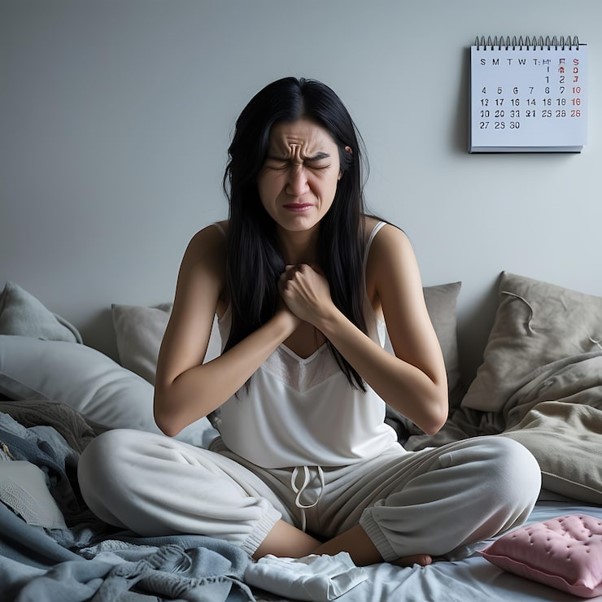
Perimenopausal hormone imbalances may influence both physical well-being and emotions. Perimenopause symptoms can differ from woman to woman, and each case is unique.
Symptoms of perimenopause can be the following:
- Irregular periods
- Flashes
- Sweating at night
- Mood swings
- Insomnia
- Lethargy
- Breast pain
- Difficulty concentrating
- Vaginal dryness
- Loss of libido
There can be cases when the symptoms are not severe. However, some women find it hard to function properly because of their hormones. Good health care may help manage symptoms.
Common Menopause Symptoms
Hormonal levels after menopause stay consistent as well. In spite of having the same symptoms that were experienced during perimenopause, their occurrence usually becomes consistent instead of fluctuating.
Menopause symptoms include:
- Frequent episodes of hot flashes
- Experiencing night sweats
- Vaginal dryness
- Low bone density
- Joint pain
- Weight issues
- Sleep issues
- Mood changes
- Urinary issues
- Low energy

Though there is a difference in symptoms, proper healthcare, diet, exercise, and stress reduction can ensure good health at this time.
Perimenopause vs Menopause: The Main Differences
The comparison of their features makes the difference between understanding perimenopause vs menopause clear.
Timing
Perimenopause starts before menopause and can last for several years. Menopause is achieved if there have been no periods within a year.
Menstrual Cycles
Menstruation period may become irregular, light, heavy, and unpredictable in the process of perimenopause. After menopause, menstrual periods stop entirely.
Hormone Changes
Levels of hormones may change frequently in perimenopause. Estrogen and progesterone levels are low in any case after menopause.
Fertility
There is still potential for pregnancy during the perimenopausal years since there is still the possibility that ovulation could occur sporadically. After menopause, however, pregnancy naturally becomes impossible.
Symptoms
There are many similarities between perimenopause and menopause in terms of symptoms, but perimenopause is characterized by fluctuating symptoms, whereas menopause results in hormonal stability.
Understanding the Difference Between Perimenopause and Menopause helps women know more about their bodies.
Managing Symptoms During the Transition
Though hormonal alterations cannot be prevented, there are some women who have found ways to deal with their symptoms by making proper life changes and receiving proper medical advice.
Strategies that help include:
- A nutritious diet that includes calcium and vitamin D
- Physical activity
- Balanced weight
- Quality sleep
- Stress management techniques
- Restriction of alcohol and tobacco use
- Hydration
- Regular visits to the doctor
There are also other forms of treatment that can be advised by healthcare professionals based on symptom intensity and other factors.
When Should You See a Healthcare Provider?
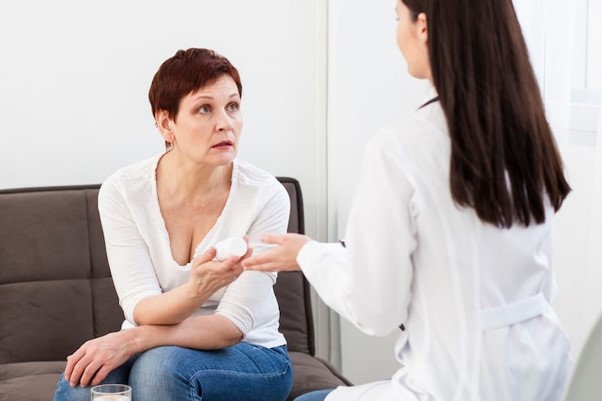
Although hormonal fluctuations are quite normal, there are certain conditions that require medical attention. These include heavy bleeding, postmenopausal bleeding, pelvic pain, abnormal symptoms, bone issues, and heart issues.
Medical evaluation at an early stage will help determine the presence of any other condition while offering solutions to make you comfortable during this period.
Conclusion
Every phase of women’s life experiences its own transformation, and knowing about Perimenopause vs Menopause may help you embrace these changes with confidence rather than confusion. Listening to your body, taking care of yourself and choosing the right type of medical treatment may make an enormous difference for your quality of life. Don’t be alone in the struggle.
Thanks to our professional help and personalized approach to treatment, it will become easier to handle any problems and remain healthy and active. Our mission at Regain Total Health, DBA as Total Life Care LLC is to assist women on their way to good health.
FAQs
Q1. What is the biggest difference between perimenopause and menopause?
Perimenopause is the phase preceding menopause during which hormones are unstable, whereas menopause is determined when there have been no menstrual periods for 12 months consecutively.
Q2. How long does perimenopause usually last?
It generally lasts four to eight years, although this may differ according to an individual’s hormonal fluctuations and health condition.
Q3. Are menopause symptoms the same as perimenopause symptoms?
Many symptoms overlap, including hot flashes and sleep problems, but menopause usually involves more stable hormone levels after menstrual periods have permanently stopped.
Q4. Can you still become pregnant during perimenopause?
It is still possible to conceive during perimenopause, as ovulation can still happen at this stage.
Q5. When should I seek medical advice about menopause symptoms?
Seek medical assistance when your symptoms are severe enough to disrupt your normal activities, or cause abnormal vaginal bleeding, bleeding after menopause, or pelvic pain.