Introduction Menopause is an essential stage in the life cycle of a woman; however, the hormone fluctuations that occur at this point may have physical and psychological effects on health. Hot flushes, night sweats, difficulty sleeping, mood changes, vaginal dryness, lack of energy, and other problems can arise due to the falling levels of hormones …


Introduction
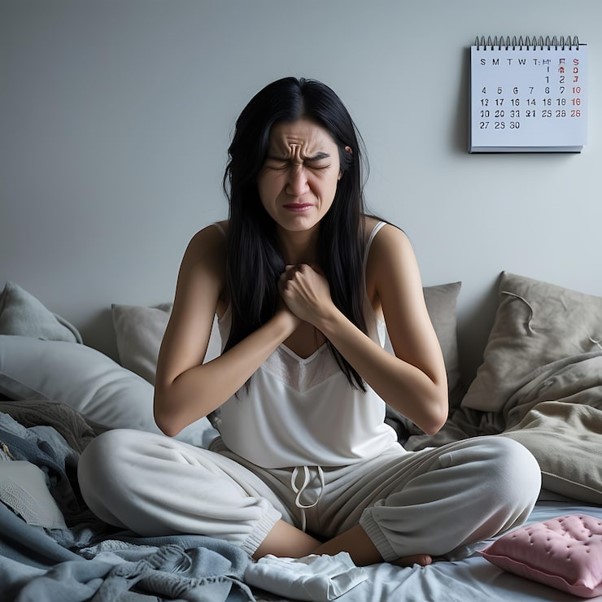
Menopause is an essential stage in the life cycle of a woman; however, the hormone fluctuations that occur at this point may have physical and psychological effects on health. Hot flushes, night sweats, difficulty sleeping, mood changes, vaginal dryness, lack of energy, and other problems can arise due to the falling levels of hormones like estrogen and progesterone.
Hormone therapy after menopause is a popular treatment that aids in the management of these symptoms through the restoration of hormones. While the treatment is very effective for many women, it is necessary for you to know that there are some dangers associated with this treatment. The knowledge of the advantages, side effects, and suitability of this treatment will help you make the right choice.
What Is Hormone Therapy After Menopause?
Hormonal levels of estrogen and progesterone drop significantly after menopause. This is where most menopausal symptoms come from.
Menopause hormone treatment supplies women with some hormones to minimize their symptoms during menopause. It can be either just estrogen or both estrogen and progesterone, depending on the individual needs of a woman.
There are several forms of therapy that can be chosen by healthcare specialists. They include:
- Tablets
- Skin patches
- Gels
- Creams
- Vaginal rings or tablets
This will be determined based on individual characteristics, such as age, symptoms, and personal preferences.
Common Symptoms Hormone Therapy Can Help Manage
Each woman’s menopause journey is unique in its own way. While some women suffer from intermittent discomfort, others may have to endure menopausal symptoms that affect their work, interpersonal relations, sleep habits, and everyday activities.
Many women opt for hormone replacement therapy for menopause as a treatment for menopausal symptoms, including
- Hot flashes
- Night sweats
- Sleep disturbances
- Mood changes
- Vaginal dryness
- Discomfort during intimacy
- Reduced energy
- Difficulty concentrating
- Early bone loss
The intensity of these symptoms defines the necessity for hormone treatment.
Benefits of Hormone Therapy
The benefits of hormone therapy enable women to approach various treatments with more assurance. While the outcomes can differ, most patients find that they make positive changes to their quality of life.
Helps Reduce Hot Flashes
As hormone therapy is helpful in controlling both the severity and frequency of hot flashes, it enables patients to lead a more comfortable life while minimizing sleep disturbances during the night.
Supports Better Sleep
By reducing night sweats and hormonal symptoms, hormone therapy improves sleep quality, allowing women to have a fresh start in the morning.
Improves Vaginal Comfort
It helps keep your vagina moist to eliminate any dryness or irritation, making you more comfortable when engaging in everyday tasks and sexual intercourse.
Helps Maintain Bone Strength
Some of the main benefits of hormone therapy include preventing bone loss following menopause by keeping bone density at optimal levels.
Enhances Everyday Well-Being
With reduced effects from menopause symptoms, women often feel better, have more confidence, more energy, and greater comfort in daily life.
Possible Risks to Consider
Even though hormone therapy after menopause provides many women with considerable symptom alleviation, not all women will benefit from taking this medication.
The risks associated with its use may include:
- Development of blood clots
- Strokes among some women
- Problems related to the gallbladder
- Headaches, bloating, or soreness of the breasts
- Higher chances of getting breast cancer through prolonged combined hormone therapy
These side effects differ based on the age of the woman, her health background, the form of hormone therapy she chooses, and how long she remains on treatment.
Who May Be a Good Candidate?
There is no standard menopausal experience for all women, which makes hormone therapy a case-specific procedure, not a universal one. The people who can get the best results from this procedure are those suffering from moderate to severe symptoms that prevent them from sleeping and working normally. Younger women, especially those concerned about bone deterioration, can also qualify.
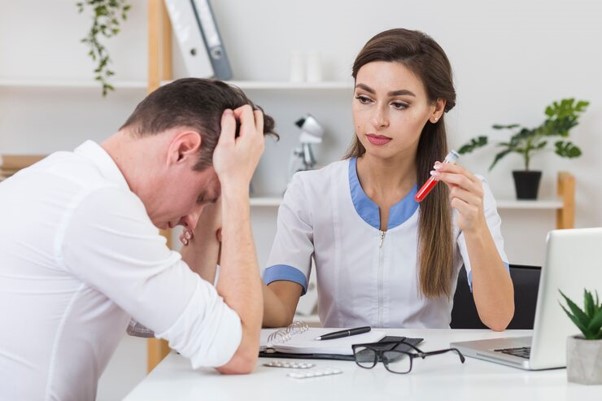
Before prescribing menopause hormone therapy, the doctor evaluates your personal medical history, your family history, what medications you’re currently taking, and your general health condition. This allows for determining whether you are suitable for the therapy and finding the best choice for you personally.
Factors to Consider Before Starting Treatment
Hormone therapy is much more than just treating your symptoms. Everyone’s health is individual, and a few considerations should be made before you start the treatment.
These could be:
- Age and years since menopause
- Medical history of yourself and your relatives
- Past illnesses such as heart disease, stroke, or blood clots
- Past cancer diagnoses
- Medication that you take
- Bad lifestyle choices like smoking and alcohol intake
The healthcare providers will take into account the least amount needed and the minimum period of time for administering the drug. Follow-up is equally important since it helps make changes to your treatment according to your evolving medical needs.
Healthy Habits That Complement Hormone Therapy
Though medication is used for treating menopause symptoms, lifestyle is also essential in order to feel well and healthy. Lifestyle changes are usually beneficial for one’s health and can help achieve better outcomes when using HRT for menopause.
The list of useful practices includes:
- Balanced nutrition high in calcium and vitamin D
- Regular physical activity
- Healthy body weight
- Getting adequate sleep at night
- Managing stress
- Avoiding smoking
- Limiting alcohol intake
Such good practices will maintain the health of bones, heart, and mind, along with coping with hormonal changes.
Making an Informed Decision
Each experience of menopause is individual, and what is good for one woman might not be the right solution for you. Having knowledge about both the benefits and risks of hormone replacement therapy will help make productive discussions with your physician.
It is important for you to take a strategy that will suit your health background as well as your preferences. Regular visits to the physician will help keep up with your evolving health needs.
Conclusion
Each woman will be impacted by menopause in her own way, making it important to choose the most appropriate treatment for her specific situation. Hormone therapy after menopause can provide relief from menopausal symptoms and increase overall comfort. With knowledge about the pros and cons, women are better able to make an educated decision.
Through personalized counseling and continuous support, Regain Total Health, DBA as Total Life Care LLC empowers women to take control of menopause and live an active life.
FAQs
Q1. What is Hormone Therapy After Menopause?
Hormone replacement therapy involves the administration of hormones that decline post-menopause in order to alleviate symptoms like hot flashes, night sweats, vaginal dryness, and problems sleeping.
Q2. Who should consider menopause hormone therapy?
Women experiencing moderate or severe menopause symptoms that interfere with their normal lives may require menopause hormone therapy after medical consultation.
Q3. What are the Benefits of Hormone Therapy?
The benefits of hormone therapy are symptom relief, improved sleep, improved vaginal health, strong bones, and an overall improvement in quality of life in many women.
Q4. Is HRT for menopause safe for everyone?
Healthy nutrition, exercise, sleep, hydration, and stress reduction will create a perfect lifestyle for maintaining hormone balance.
Q5. How long should hormone therapy be used?
This is dependent on each individual’s symptoms and other medical concerns. Regular medical checkups will help establish the best form of treatment for an individual.